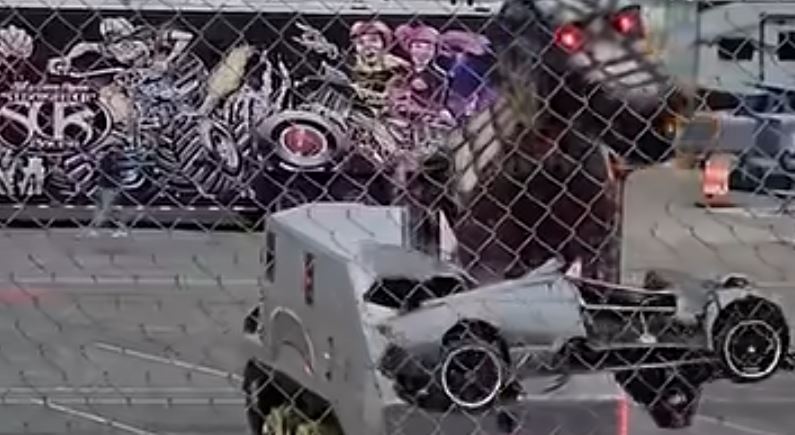
SSC Ultimate Aero Crushed by Monster Truck: A Sad Supercar Tale
In the elite world of high-performance automobiles, few sights are as jarring as a
supercars monster crash. Yet, while most such incidents are the result of high-speed errors, mechanical failures, or unforeseen track conditions, one particular story stands apart. It’s the tragic, deliberate destruction of an SSC Ultimate Aero, a car once crowned the fastest production vehicle on Earth. This wasn't a racing mishap or an unfortunate accident; it was an act of calculated automotive annihilation, orchestrated by its owner as a stark, unforgettable statement. The image of this engineering marvel being fed to a mechanical, fire-breathing T-Rex, after being flattened by a monster truck, sends shivers down the spines of car enthusiasts, highlighting a unique and utterly devastating "monster crash" that speaks volumes about owner dissatisfaction in the hyper-luxury segment.
The Meteoric Rise and Unconventional Fall of the SSC Ultimate Aero
Before its ignominious end, the SSC Ultimate Aero was a titan. Launched by Shelby SuperCars (now SSC North America), this American-made hypercar burst onto the scene in the mid-2000s with audacious ambition. Its mission: to dethrone the reigning speed king, the Bugatti Veyron. And for a glorious period, it succeeded. In September 2007, the Aero TT model achieved a verified top speed of 256.18 mph (412.28 km/h), claiming the Guinness World Record for the fastest production car. This feat wasn't just about speed; it was a testament to American engineering prowess, showcasing a raw, unadulterated performance machine powered by a twin-turbocharged V8 engine churning out over 1,180 horsepower.
For many aspiring petrolheads, the SSC Ultimate Aero became an icon. Its sleek, aggressive lines, its no-nonsense performance, and its underdog story resonated deeply. It graced countless magazine covers, desktop wallpapers, and dream garages. It was a symbol of what was possible when passion met engineering expertise. The idea that such a magnificent machine, designed for the pinnacle of automotive exhilaration, would meet its end not on a racetrack or a high-speed run, but under the deliberate treads of a monster truck and the jaws of a fabricated beast, is profoundly unsettling. It transforms a symbol of speed and power into a monument to profound disappointment, a true
supercars monster crash unlike any other.
A Deliberate Act of Destruction: The Ultimate Owner Protest
The story of the SSC Ultimate Aero’s crushing isn't merely an anecdote; it's a cautionary tale for luxury manufacturers and a powerful testament to the emotional investment supercar owners place in their vehicles. The Reddit post that brought this incident to wider attention succinctly captured the heartbreak felt by many: "Sad to see. I had this car as my PC background for years growing up." The core reason behind this unprecedented act? The owner's profound displeasure with SSC. While the exact details of the grievances remain largely private, the severity of the owner's response suggests issues far beyond minor cosmetic flaws or expected maintenance.
Imagine the level of frustration required for an individual to consciously decide to destroy an asset worth hundreds of thousands, if not millions, of dollars. This wasn't an impulsive act; it was a deliberate, theatrical dismantling. The involvement of a monster truck to flatten the car, followed by its "feeding" to a mechanical, fire-breathing T-Rex, elevates the event from simple destruction to a performance art piece – a very expensive, very public declaration of war against the manufacturer. Such extreme measures typically stem from deep-seated problems relating to product quality, unmet performance claims, persistent mechanical failures, or incredibly poor customer service that leaves the owner feeling unheard and betrayed. It's a "monster crash" born not of physics, but of psychology and consumer rage.
This deliberate destruction serves as a stark contrast to other high-profile incidents of a
supercars monster crash. In the world of motorsport, crashes, while often spectacular and devastating to the machinery, are usually accidental. For instance, the 2023 champ indeed experienced a significant qualifying crash, a testament to the fine margins and high risks involved in top-tier racing. Similarly,
James Golding's Sandown 500 monster shunt on lap one showcased the incredible safety advancements in modern race cars, allowing drivers to walk away from truly terrifying impacts. These incidents, while damaging to the cars, are part of the game. The Aero's fate, however, was a calculated execution, a public shaming of its creator.
Beyond the Wreckage: The Aftermath and Lessons Learned
The crushing of an SSC Ultimate Aero undoubtedly sent shockwaves through the automotive community and, presumably, through the halls of SSC North America. While the company has since moved forward, focusing on the development and production of its successor, the SSC Tuatara, an incident of this magnitude can leave a lasting stain on a brand's reputation. It underscores the critical importance of not only delivering on promises of performance and exclusivity but also of providing unparalleled customer service, especially in a market where expectations are sky-high and clients are often accustomed to perfection.
The Psychology of Supercar Ownership and Dissatisfaction
Owning a supercar is more than just possessing a mode of transport; it's buying into a dream, a lifestyle, an identity. When that dream turns sour, the disappointment can be profound. The financial outlay is immense, but so too is the emotional investment. For an owner to resort to such extreme measures, the perceived betrayal must have been immense. This incident serves as a unique case study in consumer rights and brand accountability within the ultra-luxury sector. It poses questions about how manufacturers handle disputes, manage expectations, and maintain relationships with their most valued (and volatile) customers.
Preserving Automotive History vs. Personal Vengeance
From a broader perspective, the destruction of a record-breaking SSC Ultimate Aero also sparks a debate about the preservation of automotive history. Each supercar, especially a record-setter, is a piece of engineering heritage. While an owner has every right to their property, seeing such a significant vehicle deliberately obliterated can feel like a loss to the collective automotive memory. However, this perspective often clashes with the individual's right to express their dissatisfaction in the most impactful way possible. The tension between these two viewpoints makes the Aero's story all the more compelling and tragic.
This specific "monster crash" stands in stark contrast to the accidental
monster crashes that shake supercar racing, like those involving the 2023 champ or James Golding. In those cases, the cars are often rebuilt or their parts salvaged, their stories becoming part of racing lore. The Aero, however, was intentionally erased, its story a unique scar on the landscape of automotive excellence.
Conclusion
The tale of the SSC Ultimate Aero crushed by a monster truck is far more than just another
supercars monster crash. It's a poignant narrative about the delicate balance between engineering brilliance, consumer expectations, and corporate responsibility. It reminds us that even the fastest, most exclusive machines are ultimately subject to the human element – not just in their creation, but in their ownership and, sometimes, their demise. While we mourn the loss of a magnificent machine, its dramatic end serves as a powerful, if extreme, lesson on the absolute necessity of quality, integrity, and exceptional customer service in the rarefied air of hypercar manufacturing. The Aero's deliberate destruction ensures its place in automotive lore, not just as a record-breaker, but as a symbol of an owner's ultimate act of defiance.